
New First-Time Homebuyer Grant in Atlanta for 2024

A new first-time homebuyer grant has been announced by Fannie Mae, and now available in Atlanta, GA. This grant is designed to provide a grant of $5,250 to eligible first-time homebuyers who qualify for a conventional loan and currently reside in an approved tract for the program. Taking advantage of this grant is a no-brainer. For instance, this program does not have any income limits and accepts credit scores as low as 620. Unlike many down payment assistance programs, these funds are grants that don’t require repayment and are not recorded as second mortgages on your home. Another really great thing about this grant is that it can be used for the down payments or the closing costs, or both. It was created to fulfill the Community Reinvestment Act’s requirements, which include lending within specific low to moderate income census tracts. Contrary to expectations that it might be limited to less desirable locations, the program is actually available across 452 census tracts in 17 counties in the Metro Atlanta area. One of the main eligibility factors is that it’s determined not by the location of the home being bought, but rather by where you presently reside. Check out what first-time homebuyer program you qualify for in – Updated on We’ve helped many clients obtain this grant and it’s proven to reduce the out of pocket costs of our clients. For example, one of our clients who took advantage this past year was able to buy a home in Atlanta even though she was a short on funds. The grant was able to make up the difference and helped her use the rest to reduce her interest rates. If you are interested in taking advantage of this grant, simply sort here and our team of Mortgage Advisors in Atlanta will check if you are eligible.
First-Time Homebuyer Programs in Georgia

Buying your first home in Georgia offers a ton of opportunity as home values continue to appreciate in 2024 thanks to a much growing economy and influx of new residents moving into the state. There are several first-time homebuyer programs in Georgia designed to turn the dream of owning a home into a reality. I’m going to show in you in this article some of the first-time homebuyer programs in Georgia that are available including down payment assistance as well as grants. See today’s mortgage rates in for first-time homebuyers in Georgia. Start here – () Why are First-Time Homebuyer Programs in Georgia so important? The State of Georgia recognizes that the path to homeownership can be challenging, particularly for those stepping into the real estate market for the first time. Specifically, the amount of money needed in both the down payment and closing costs to purchase a home can be a major financial obstacle for first-time buyers, who may have limited savings and income. As such, the Federal government through the GSEs such as Fannie Mae and Freddie Mac, the Georgia Department of Community Affairs (DCA) and private institutions have developed programs to assist with down payments, closing costs, and even credit counseling. These programs are designed to support individuals and families in achieving their goal of homeownership. Standard Programs and Loans for First-Time Homebuyers in Georgia Georgia Homeownership Programs offer various loan options specifically tailored for first-time home buyers. The Federal Housing Administration (FHA) Loan FHA Loans are a go-to for many first-time buyers due to their low down payment requirements and more flexible credit criteria. The FHA insures the loan, giving lenders more confidence to offer favorable terms to applicants without substantial credit history or high-income profiles. In our opinion, the FHA loan is the easiest loan to qualify for most first-time homebuyers. Some key highlights about the FHA loan is the minimum down payment of only 3.5% and a maximum housing debt to income ratio of 47% and a maximum “back-end” debt ratio of 57%. Find the best first-time homebuyer program in Georgia for your situation. Start here: () 97 Conventional Loan Conventional Loans are available through traditional banks, mortgage lenders and mortgage brokers. Historically, accessing conventional loans used to be difficult for first-time buyers due to the higher down payment requirement and credit scores. However, they have become more accessible to first-time home buyers through tailored options with lower down payment requirements. These loans offer the advantage of potentially lower interest rates and the absence of mortgage insurance after a certain equity threshold is met. For first-time homebuyers in Georgia, the minimum down payment is 3%, hence the name “97 Conventional Loan” United States Department of Agriculture (USDA) Loans USDA Loans are a perfect fit for those seeking the affordability and space of rural Living. These loans come with no down payment and favorable terms, primarily supporting individuals and families in areas specified by the USDA as eligible. Georgia has many different USDA eligible areas and you can find whether or not your area qualifies for here. To qualify for a USDA loan in Georgia, you’ll want to have a minimum 640 credit score and your income may not exceed more than 80% of the area’s median income (AMI). VA Loans VA Loans are loans guaranteed by the Department of Veterans Affairs and available for veterans, service members, and eligible spouses. These loans offer many benefits such as no down payment requirements, competitive interest rates, and limited closing costs. In Georgia, eligible buyers can obtain a VA loan up to $766,560 with no down payment required. THE DOWN PAYMENT RUNDOWN Conventional Loans: 3% Down FHA Loans: 3.5% Down VA Loan: $0 Down USDA Loan: $0 Down Local and government Down Payment Assistance and Grants for first-time homebuyers in Georgia Down payment assistance and grants can be a game-changer, particularly for first-time home buyers. This financial support, often in the form of non-repayable grants or second mortgages, can significantly reduce the upfront cost of purchasing a home, making the option more feasible and affordable. Georgia Dream Homeownership Program The Georgia Dream Homeownership Program is a statewide initiative offering fixed-rate second mortgages for down payment assistance that be coupled with an FHA, VA, USDA, or conventional mortgage loans. As of 2024, Georgia Dream helps provide a down payment assistance up to $10,000 with the Standard program, $12,500 for Protectors, Educators and Nurses (PEN), and $12,500 for those with disabilities or have someone who’ll live in the home that has a disability through their CHOICE program. Gwinnett county HomeStretch Program First-time homebuyers who are looking to buy in Gwinnett county may look into the HomeStretch Program for down payment assistance. The HomeStretch program offers up to $10,000 in down payment assistance as a five-year deferred payment loan with 0% interest. The loan does not need to be repaid as long as the homebuyer occupies their home as their principal residence for a period of at least five years. The program requires completion of an 8-hour HUD-approved Home Buyer Education Course and meeting certain income and credit requirements. Clayton County Down Payment Assistance Clayton County, located just south of Atlanta, offers a similar program for first-time homebuyers who are looking to buy in this area. The Clayton County Down Payment Assistance Program provides up to $10,000 in assistance for those looking to buy within the county while Veterans, protectors and county employees can receive up to $15,000 in assistance The down payment assistance is offered as a second mortgage loan with a five-year deferred payment period with 0% interest. The program requires completion of an 8-hour HUD-approved Home Buyer Education Course and meeting certain income and credit requirements. The maximum purchase price allowed for the Cobb county down payment assistance program is $250.000 The program requires completion of an 8-hour HUD-approved Home Buyer Education Course and meeting certain income and credit requirements. Invest Atlanta Down Payment Assistance Program Invest Atlanta offers a down payment assistance program for first-time home
1% Down Payment Program | Our Newest Option for First-Time Homebuyers
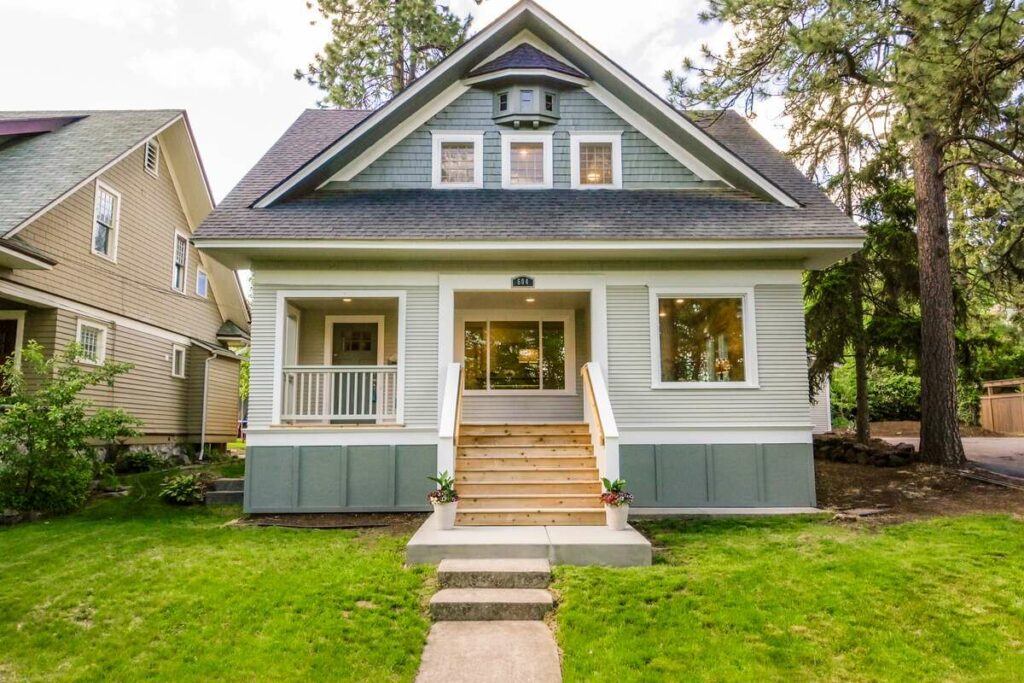
Ok so you’ve got all your ducks in a row and you are almost ready to buy a home but there’s one big hurdle left to overcome – the down payment. For many potential first time home buyers, saving up for a minimum down payment of 3% or 5%, let alone 20% down, can seem like an impossible task. But today, don’t worry because with Andes Mortgage’s 1% down payment options, you can make your dream of homeownership a reality. See today’s mortgage rates in Atlanta, GA. Start here: Why is a 1% Down Payment Option Important for First-Time Homebuyers But before we dive into the details of these 1% down payment options, let’s take a quick look at why they’re such game changers. Traditionally, the down payment has been a major roadblock on the path to homeownership. It’s often the biggest, heaviest stone that prospective buyers have to push uphill. For first-time homebuyers, the minimum down payment has been 3% for quite some time now. However, even at 3%, if you were buying a $400,000 home, your down payment would need to be $12,000. A sum that is pretty big for many families. But with a 1% down payment option, that sum becomes more achievable. Now, buying a home becomes a lot less “mission impossible” and a lot more “mission probable”. Features of the 1% Down Payment Program With Andes Mortgage’s 1% down payment option, you only need to put down 1% of the home’s purchase price as your down payment. This means that for that same $400,000 home, your down payment would be only $4,000. That’s a significant difference and can make all the difference in being able to afford your dream home. Thanks to our partners in our lending network, the other 2% part of the down payment is a grant that does not have to be repaid. That’s right, you don’t need to worry about coming up with an extra 2% of the purchase price. This exclusive 2% grant is only available through Andes Mortgage and can save you thousands of dollars. The best part? Our 1% down payment option is available to qualified homebuyers In Georgia and Florida for now where we are licensed. But don’t worry, we are working on expanding our program to other states soon. So stay tuned! How to qualify for the 1% down Payment Program The 1% down payment option is available to those who meet certain eligibility requirements. Let’s break down the most important ones: Be a first-time homebuyer: Currently, this program is only available for first-time homebuyers or those who have not owned a home in at least the last 4 years. Minimum 680 credit score This is the minimum credit score required for the 1% down payment program. If your credit score is lower, don’t worry, we have other programs available that might suit your needs. Income restrictions As with any mortgage loan, you need to meet certain income requirements in order to qualify for a home loan. The maximum income to qualify is no more than 80% of the Area Median Income “AMI”. For example, if you are buying a home in Atlanta, Fulton County, Georgia, the area’s median income is $102,900, thus the maximum income you can make to qualify is $82,320. For other areas, you can use Fannie Mae’s Area Median Income Tool. Debt to income ratio A debt-to-income ratio of no more than 43%, This is to ensure that you have the financial capability of repaying your mortgage loan. First-Time Homebuyer course: As a first-time homebuyer, we require you to take an online course that will educate you on the home buying process and provide valuable information to help you make informed decisions. Additional Tips for First-Time Homebuyers While our 1% down payment option can certainly make homeownership more attainable, there are still other expenses and factors to consider when buying a home. Here are a few tips to keep in mind as you navigate the home buying process: Budget for closing costs: In addition to the down payment, there are other fees and expenses that come with purchasing a home, such as appraisal fees, title insurance, and attorney fees. Be sure to budget for these costs on top of your down payment. Consider all expenses: Owning a home comes with additional expenses, such as property taxes, homeowner’s insurance, and maintenance costs. Make sure to factor these into your budget when deciding on a home. Get pre-approved: Before you start house hunting, get pre-approved for a mortgage loan so you know exactly how much you can afford. This will also make the buying process smoother and show sellers that you are a serious buyer. Work with a trusted real estate agent: A good real estate agent can make all the difference in finding your dream home and navigating the buying process. They can also help negotiate prices and terms on your behalf. Be patient: Buying a home is a big decision, so don’t rush into anything. Take your time to find the right home and make sure you are financially prepared for the responsibilities of homeownership. Find mortgage programs in Atlanta, GA. Start here – How to apply for the 1% down payment program Applying for the 1% Down Payment Option with Andes Mortgage is a simple, straightforward process: Initial Inquiry: Reach out to us via phone, email, or through our website’s contact form. Our friendly and experienced loan officers are ready to answer any questions you have and guide you through the process. Pre-Approval: Complete our online pre-approval form. This will give us an initial understanding of your financial situation and determine your eligibility for the 1% down payment program. Document Submission: If pre-approved, you’ll need to provide necessary documents such as proof of income, credit report, and other paperwork. Our team will guide you through what’s required. Homebuyer Course: Enroll in the mandatory first-time homebuyer course. This online course will equip you with essential knowledge about the home buying
Mortgage Pre-Approval in Atlanta, GA – Everything You Need to Know

Getting pre-approved for a mortgage is the most important step when buying a home in Atlanta, GA. A mortgage pre-approval demonstrates your capacity to borrow for a home, give you insights about the best programs for you, and show sellers that you are serious about buying a home.
3% Down Payment Conventional Loan

Are you a first-time homebuyer researching your options for low down payment financing? You’ve likely heard of conventional loans, but did you know that they may allow as little as 3% down? This is a great option for many buyers, so if this sounds like something that appeals to you, read on to find out more about this type of loan and how it can help you make your dream of homeownership a reality. See today’s mortgage rates. Start here. What is a Conventional Loan and How Do They Work A conventional loan is a type of mortgage that backed by Fannie Mae or Freddie Mac, the two government-sponsored enterprises (GSEs) that buy mortgages from lenders. In order to get a conventional mortgage, homebuyers must go through a bank, a mortgage lender or a mortgage broker like Andes Mortgage LLC. Conventional loans are the most common type of mortgage because they tend to have lower interest rates and fees compared to government-backed loans. To qualify for a conventional loan, you typically need to have a good credit score, a stable income, and a down payment of at least 3% if you are a first-time homebuyer. These loans also have certain limits on the amount you can borrow, depending on where you live. Once you are approved for a conventional loan, you will begin making regular payments to the lender to repay the borrowed amount with interest over time. Benefits of a 3% down payment Conventional Loan For starters, you can typically secure a lower interest rate with a conventional loan. Additionally, there are no upfront mortgage insurance premiums, which can save you money in the long run. And if you have a solid credit history, you may be eligible for a lower down payment requirement. Overall, a conventional loan can be a great choice for those looking for a cost-effective and reliable way to finance their home purchase. Requirements for a 3% down payment conventional loans When it comes to home financing, conventional loans are a popular choice for many prospective buyers. These are the main requirements for a 3% down payment conventional loan: Must be a first time homebuyer or someone who hasn’t owned a home in the last 3 years Credit score of at least 660 Debt-to-income ratio of no more than 45% 2-year employment history No bankruptcies, foreclosures or short sales in the last 7 years Financial stability is also crucial, as lenders will evaluate a borrower’s debt-to-income ratio to determine their ability to make consistent mortgage payments. While the requirements for conventional loans may seem strict, meeting them can open up a world of possibilities for prospective homebuyers. Advantages of a 3% Down Payment Conventional Loan A 3% down payment for a conventional loan can be an attractive option for homebuyers who are looking to keep their initial costs low. By putting down just 3% of the purchase price, you can get into your dream home faster without having to save up a large amount of money for a down payment. Additionally, with a conventional loan, you can avoid the need for mortgage insurance that is typically required with lower down payments. This can save you money over the life of the loan. However, it’s important to note that a 3% down payment will result in a higher monthly mortgage payment and a longer loan term than a larger down payment. It’s important to carefully weigh the pros and cons before deciding whether a 3% down payment is the right choice for you. Find mortgage programs with low down payment. Start here: () Tips on Qualifying for a 3% Down Payment with a Conventional Loan For many first-time homebuyers, saving up for a down payment on a house can seem like an insurmountable task. However, one option to consider is qualifying for a 3% down payment with a conventional loan. While this may seem like a small percentage, it can still represent a significant amount of money depending on the price of the house. To attain this level of financing, it’s recommended to have a good credit score and a stable source of income, among other factors. In addition, it’s important to remember that a lower down payment often means higher monthly mortgage payments, so it’s best to carefully consider all of the financial implications before making a decision. Nevertheless, with a little bit of research and some careful planning, qualifying for a 3% down payment with a conventional loan can be an attainable goal for many aspiring homeowners. Common Questions About 3% Down Payments for Conventional Loans When it comes to purchasing a home, there are a lot of factors to consider, and financing is one of the biggest. A common question that arises is whether it’s possible to put down just 3% for a conventional loan. The answer is yes, it is possible! However, there are some things to keep in mind. For example, you’ll need to have good credit to qualify for this type of loan. Also, you’ll need to pay for private mortgage insurance (PMI), which can add to your monthly costs. It’s important to carefully consider your finances and do some research before deciding if a 3% down payment for a conventional loan is the right choice for you. In conclusion In conclusion, a 3% down payment conventional loan is one of the most popular types of mortgage for borrowers in America, providing mainly benefits and offering more options than other financing options. It’s also important to keep in mind that with a 3% down payment there are certain requirements to qualify that you must keep track of, such as maintaining your credit score and saving money for closing costs. With that being said, there are many advantages as well which include potentially avoiding paying private mortgage insurance monthly and securing a lower rate from lenders. Having all this information can assist you in not only understanding the topic better but also making more informed decisions when it
First-Time Homebuyers: Essential Tips for a Smooth Mortgage Experience

Purchasing property is a pivotal process, particularly for first-time homebuyers. This article aims to alleviate anxiety and arm you with essential knowledge for a smooth mortgage experience. From understanding the diverse mortgage types, to evaluating credit scores and navigating home inspections, we provide practical guidance. Understanding Different Mortgage Types To navigate through the complex world of home financing, it’s crucial to break down and understand the different types of mortgages available in the market. The primary categories include fixed-rate, adjustable-rate, and interest-only mortgages. Fixed-rate mortgages are the most traditional, offering interest rates that remain constant over the life of the loan, providing predictability in payment schedules. Adjustable-rate mortgages, on the other hand, start with a lower interest rate but fluctuate over time based on market conditions, introducing an element of uncertainty. Interest-only mortgages require payment of only the interest for a specified period, usually the first five to ten years. This results in lower initial payments but a substantial increase when the principal becomes due. Then, there are government-insured loans such as Federal Housing Administration (FHA) loans, Veterans Affairs (VA) loans, and United States Department of Agriculture (USDA) loans. These options often have lower down payment requirements or offer benefits to specific groups such as veterans. Understanding these mortgage types is the first step towards financial liberation in your home buying journey. This knowledge empowers you to make informed decisions that align with your financial capabilities and housing needs. Importance of Credit Score Evaluation After familiarizing yourself with the diverse mortgage options, progressing towards an evaluation of your credit score is a pivotal step in your home buying process. This three-digit representation of your creditworthiness plays a key role in determining your mortgage eligibility, interest rates, and terms. A high credit score generally translates to more favorable mortgage terms. Lenders view this as an indicator of low-risk, thereby offering competitive interest rates and flexible repayment terms. On the contrary, a lower score might limit your options, result in higher interest rates, or even lead to loan disqualification. Evaluating your credit score before the application process allows you to rectify any discrepancies and improve it if necessary. Regularly monitoring your credit report and promptly addressing any inaccuracies can help boost your score. Timely payment of bills, reducing outstanding debts, and avoiding new credit are strategic steps towards improving your credit profile. In essence, a thorough understanding and careful management of your credit score not only enhances your mortgage prospects but also empowers you with financial control. In your journey towards home ownership, it serves as a critical tool for negotiation, ensuring a smooth and affordable mortgage experience. Tips to Save for Down Payment Saving for a down payment is a significant financial hurdle that first-time homebuyers often face, requiring careful planning and disciplined saving. The process can be daunting, but achievable through systematic strategies. Here are some effective tips to help you save for your down payment: Navigating Home Inspection Process Upon entering the crucial phase of home inspection, first-time homebuyers must adeptly navigate this process to ensure the property’s condition aligns with their expectations and investment value. This involves hiring a certified, experienced home inspector who can provide a comprehensive and unbiased evaluation of the property. Analyze the inspector’s report, which encompasses an assessment of the home’s structural integrity, plumbing, electrical systems, roofing, heating and cooling systems, and potential environmental issues. This document is instrumental in discerning any hidden issues that may not be immediately apparent, such as foundation cracks, mold, or faulty wiring, which can lead to significant future expenses. Negotiation is the next crucial step. Use the inspection report to bargain for a lower price, request repairs, or ask the seller to provide a credit at closing. However, remember to be reasonable in your demands; not all issues warrant a price reduction. Lastly, remember that no home is perfect. Minor issues such as peeling paint or old appliances need not be deal-breakers. The goal of a home inspection is to uncover substantial defects that could impact the property’s safety, habitability, or value. Proper navigation of the home inspection process can result in significant savings and peace of mind for first-time homebuyers. Dealing With Mortgage Lenders Navigating the landscape of mortgage lending can be a daunting task for first-time homebuyers, but with careful planning and informed decisions, one can secure a mortgage that best suits their financial situation. To do so, it is essential to understand two crucial aspects: Taking a proactive approach and learning about the mortgage process can lead to a smooth home buying experience. In the end, the goal is to build a partnership with your lender that enables you to make the best financial decision for your unique circumstances. Conclusion In conclusion, the journey towards homeownership is fraught with complexities, from choosing the right mortgage to managing one’s credit score and saving for the down payment. However, by effectively navigating these hurdles, one can secure a residence that not only satisfies their needs but also contributes to their financial growth. While the process may seem daunting, a well-informed approach can transform this labyrinthine ordeal into a rewarding experience. Thus, for first-time homebuyers, knowledge is not just power, but also the key to their dream home.
First-Time Homebuyers: Decoding the Myths and Facts About Conventional Mortgages

So, you’re ready to take the plunge into homeownership? Congrats! But before you dive headfirst into the world of conventional mortgages, let’s clear up some misconceptions. In this article, we’ll decode the myths and facts surrounding this popular home financing option. From down payments to credit scores, interest rates to mortgage insurance, we’ve got you covered. Get ready to navigate the process with confidence and make informed decisions. Because when it comes to buying your first home, knowledge is power. The Truth About Down Payments Are you wondering how much you need to save for a down payment on a conventional mortgage? Good news! There are various options available to assist you in achieving your dream of homeownership. Let’s explore the truth about down payments and how you can make it more affordable. One option to consider is low-income assistance programs. These programs are designed to help individuals with limited resources purchase a home. They often provide financial aid for down payments and closing costs, making homeownership more attainable for those on a tight budget. Additionally, government grants are available to eligible buyers, which can significantly reduce the amount of money required for a down payment. Another option is down payment assistance programs. These programs offer financial assistance specifically for down payments, allowing you to put less money upfront. They are often offered by non-profit organizations or state and local governments, and eligibility requirements may vary. Rent-to-own programs are also worth exploring. With these programs, you have the opportunity to rent a home with the intention of eventually owning it. A portion of your monthly rent goes towards building equity, which can later be used as a down payment when you are ready to purchase the property. Debunking Myths About Credit Scores Don’t let misconceptions about credit scores hold you back from pursuing a conventional mortgage. Understanding the truth about credit scores is essential for first-time homebuyers. Your credit score plays a crucial role in the mortgage application process, as it is used by lenders to assess your creditworthiness and determine the interest rate you qualify for. One myth about credit scores is that they are the sole factor in determining your eligibility for a mortgage. While credit scores are important, lenders also consider other factors such as your income, employment history, and debt-to-income ratio. However, a higher credit score generally increases your chances of getting approved for a mortgage and securing a lower interest rate. Another myth is that there is a specific credit score range that is required for a conventional mortgage. In reality, there is no set minimum credit score required, as it can vary depending on the lender and the specific loan program. However, a higher credit score will generally result in more favorable loan terms. Improving your credit score is possible, but it takes time and effort. Paying your bills on time, keeping your credit card balances low, and avoiding new credit applications can all help raise your credit score over time. Understanding Interest Rates and APR To fully comprehend the intricacies of obtaining a conventional mortgage, it’s crucial for you to understand both the interest rates and APR. Here are some key points to help you grasp these concepts: Common Misconceptions About Mortgage Insurance Although you may have heard some misconceptions, it’s important to understand the truth about mortgage insurance when obtaining a conventional mortgage. Mortgage insurance plays a crucial role in the homebuying process, providing protection for lenders in case you default on your loan. However, there are several common misconceptions that need to be debunked. Firstly, let’s address the cost of mortgage insurance. Many people believe that it is an unnecessary expense, but the reality is that it allows you to secure a mortgage with a smaller down payment. While the cost varies depending on factors such as your credit score and loan amount, it is typically a small percentage of the loan. Secondly, there are alternatives to mortgage insurance. One option is to make a larger down payment, which can eliminate the need for mortgage insurance altogether. Another alternative is to consider a piggyback loan, where you take out a second loan to cover a portion of the down payment. To calculate mortgage insurance premiums, you can use an online calculator or consult with your lender. The premiums are typically based on the loan-to-value ratio and loan amount. Lastly, mortgage insurance does impact your monthly payments. However, once you reach a certain amount of equity in your home, you may be able to cancel the mortgage insurance, thereby reducing your monthly payments. Understanding the truth about mortgage insurance is essential for first-time homebuyers. By dispelling these misconceptions, you can make informed decisions and navigate the homebuying process with confidence. Exploring Different Loan Options If you’re a first-time homebuyer, it’s important to explore the different loan options available to you. Here are some key options to consider: Tips for a Smooth Mortgage Approval Process Conclusion So, now that you’ve uncovered the truth behind conventional mortgages, you can confidently embark on your journey as a first-time homebuyer. Remember, the path to homeownership may seem daunting, but with the right knowledge and guidance, you can overcome any obstacle. Just like a skilled navigator, you have the tools to steer through the mortgage approval process smoothly and secure the keys to your dream home. Happy house hunting!