
Home » DSCR loans » DSCR Cash-Out Refinance
pull equity from a rental property
DSCR cash-out refinance
Pull cash out of your rental using the property’s income — no tax returns, no personal debt-to-income. The catch most investors don’t see coming: how much you can take often depends less on your equity than on how long you’ve owned the place.
46 states + Washington DC
LTV up to 75%
NMLS #2187991
The basics
Tap up to 75% of your rental's equity — without tax returns
A DSCR cash-out refinance replaces your existing loan with a larger one.
You take the difference in cash.
Approval rests on what the property rents for — not your W-2s, tax returns, or personal debt-to-income. If the rent covers the new payment, the deal works.
Use your equity for continuing business purpose growth with a low, fixed rate.
How much equity from your investment property could you actually pull out?
Two sliders, no forms, no email. So easy to use.
Drag in what the property is worth and what you still owe, and you’ll see roughly how much cash a 75% cash-out could put in your hands — a quick read on whether there’s enough here to be worth a conversation.
Two terms you need to understand that can make or break your DSCR cash-out refinance process
You are going to see these two terms throughout this page so we thought it would help explain it.
Plus, both come up in every cash-out conversation, and both sound like lender-speak. They’re simpler than they sound — and together they explain almost every “why can’t I pull more out?” question.
Seasoning: How long you've owned the property
That's it. Lenders use it to decide whether you've owned the place long enough to refinance — and how they'll value it when you do. Some programs want a year. Some want six months. A few don't require any wait at all.
Cost basis: What you paid, plus the improvements you can prove.
Purchase price plus documented rehab — invoices, receipts, contractor records. Not what the property is worth today, and not what you think you spent. Only what you can hand to an appraiser.
Here’s how they connect: own it under a year, and lenders size your loan off your cost basis instead of the new appraisal. So the value you created through a rehab doesn’t fully count yet — which is why two investors with identical equity can walk away with very different amounts of cash.
At Andes, our DSCR cash-out seasoning is only 6 months. Bought the property, rehabbed it and now you’re pulling equity? After 6 months, we use the new value, not the old plus the cost of the renovations.
Same property, same equity — three very different outcomes
You bought a rental for $200,000 cash, put $50,000 into it, and it now appraises at $280,000 renting for $2,200/mo. What you can pull out depends entirely on the calendar. Tap through.
Purchase price
$200,000
Documented rehab
Current appraised value
$280,000
Time owned (Seasoning) required
6 months (typical)
Time until eligible
$0
The alternative: a no-seasoning (amount of time you’ve owned the property) program can close now and use the $280,000 appraisal — roughly $210,000 of proceeds, nine months earlier.
This is the moment most investors are told to wait. They usually don’t have to — the amount of time that you’ve owned the property is one of the most lender-dependent rules in DSCR lending, and programs exist with no seasoning requirement at all that value the loan off the new appraisal from day one.
Purchase price
$200,000
Documented rehab
$50,000
Value basis used
$250,000
Appraisal value (not yet used)
$280,000
Max LTV
75%
Maximum Loan
$187,500
$187,500
New PITIA about $1,928/mo against $2,200 rent — a 1.14 DSCR. The ratio isn’t the limit here; the value basis is.
Your rehab dollars do count — but only the ones you can document. Invoices, receipts, and contractor records confirmed by the appraiser are what convert rehab spend into loan value. The $30,000 of appreciation above your cost basis stays locked until month 12.
Cost basis
$250,000
Appraised value used
$280,000
Max LTV
75%
Existing loan payoff
$0
Maximum loan
$210,000
$210,000
New PITIA about $2,085/mo against $2,200 rent — a 1.06 DSCR. Still clears 1.00, so LTV is the binding constraint.
Waiting to month 12 is worth about $22,500 more than refinancing at month 8 — the appreciation you created finally counts. Whether that’s worth nine months of waiting depends on what the capital would earn in your next deal.
Illustrative figures at ~7.5% for the math only; not an offer of credit. Your terms depend on the program and file.
There's a cap on how much cash you can actually walk away with at closing
Your LTV sets the loan size — but a separate limit caps the cash in hand. Most guides never mention it, and investors find out at the closing table. It generally moves with your leverage:
Uncapped
When your LTV is under 60%
Some programs place no practical ceiling on proceeds once you’re at conservative leverage. The less you borrow against the property, the fewer restrictions on what you can take.
Up to ~$1M
Around 60 – 65% LTV
Ceilings in the seven figures are common at moderate leverage — high enough to cover nearly any single-property refinance.
$500K–$600K
Above 65% LTV
Push leverage higher and the cash-in-hand ceiling tightens, even if the loan itself is larger.
The one that catches people: on some programs, a credit score under 720 combined with higher leverage collapses the limits sharply — max loan around $750K and as little as $100,000 of cash in hand. If you’re near a credit tier boundary, a small score improvement can be worth far more than a rate quote.
Cash-out isn't always the right move
If you’re sitting on a low first-lien rate, replacing it to reach your equity can cost more than the equity is worth. Compare two ways to tap equity of your rental property.
DSCR cash-out refinance
Replaces your existing loan with a larger one; you take the difference at closing.
- Largest lump sum, lowest rate of the three
- One payment, fixed options available
- Best when your current rate is at or above market
DSCR HELOC
A line of credit sits behind your first mortgage; rate-and-term changes your rate without pulling cash.
- Keeps a low existing first-lien rate intact
- Draw only what you need, when you need it
- Best when your current rate is well below market
DSCR cash-out requirements
|
Requirement
|
Andes DSCR program
|
Typical Elsewhere
|
|---|---|---|
|
Max LTV (cash-out)
|
Generally 70–75%, by credit tier and loan size
|
70-75% advertised, often lower in practice
|
|
Length of time you've owned the property (Seasoning)
|
From no seasoning needed to 6–12 months, depending on the program
|
Commonly 12 months
|
|
Value basis under 12 months
|
Purchase price + documented improvements
|
Rarely stated at all
|
|
DSCR ratio
|
1.00 standard · reduced-ratio and no-ratio available
|
Usually 1.00–1.25 minimum
|
|
Credit scores
|
From the low 600s; tiers drive LTV and cash caps
|
700 minimum
|
|
Reserves
|
Typically 6 months PITIA on cash-out; proceeds can satisfy it
|
6 months, rarely itemized
|
|
Use of proceeds
|
Business purpose only — reinvestment, not personal use
|
Same, seldom explained
|
DSCR has no agency guideline — these come from Andes Mortgage’s wholesale programs, not an industry average.
The math behind a cash-out DSCR approval
The numbers below are our program’s actual rules — the formula, the ratios, the constraints. We state them so you can run your own deal before you talk to anyone.
How Andes Mortgage calculates DSCR
The new, larger payment is what gets tested — so pulling more cash lowers your ratio. Three limits apply at once, and the smallest one governs:
The LTV cap — generally 70–75% of value on cash-out, set by credit tier and loan size.
The value basis — under 12 months of ownership, "value" means purchase price plus documented improvements, not the new appraisal. Keep every receipt.
The cash-in-hand cap — a separate ceiling on proceeds that tightens as leverage rises.
Proceeds must be for business purposes. DSCR cash-out is a business-purpose loan — funds are for reinvestment, not personal use, and you’ll sign a certification to that effect.
Recent DSCR cash-out refinances we've funded at Andes Mortgage
Three real DSCR cash-out deals that we helped our clients accomplish.
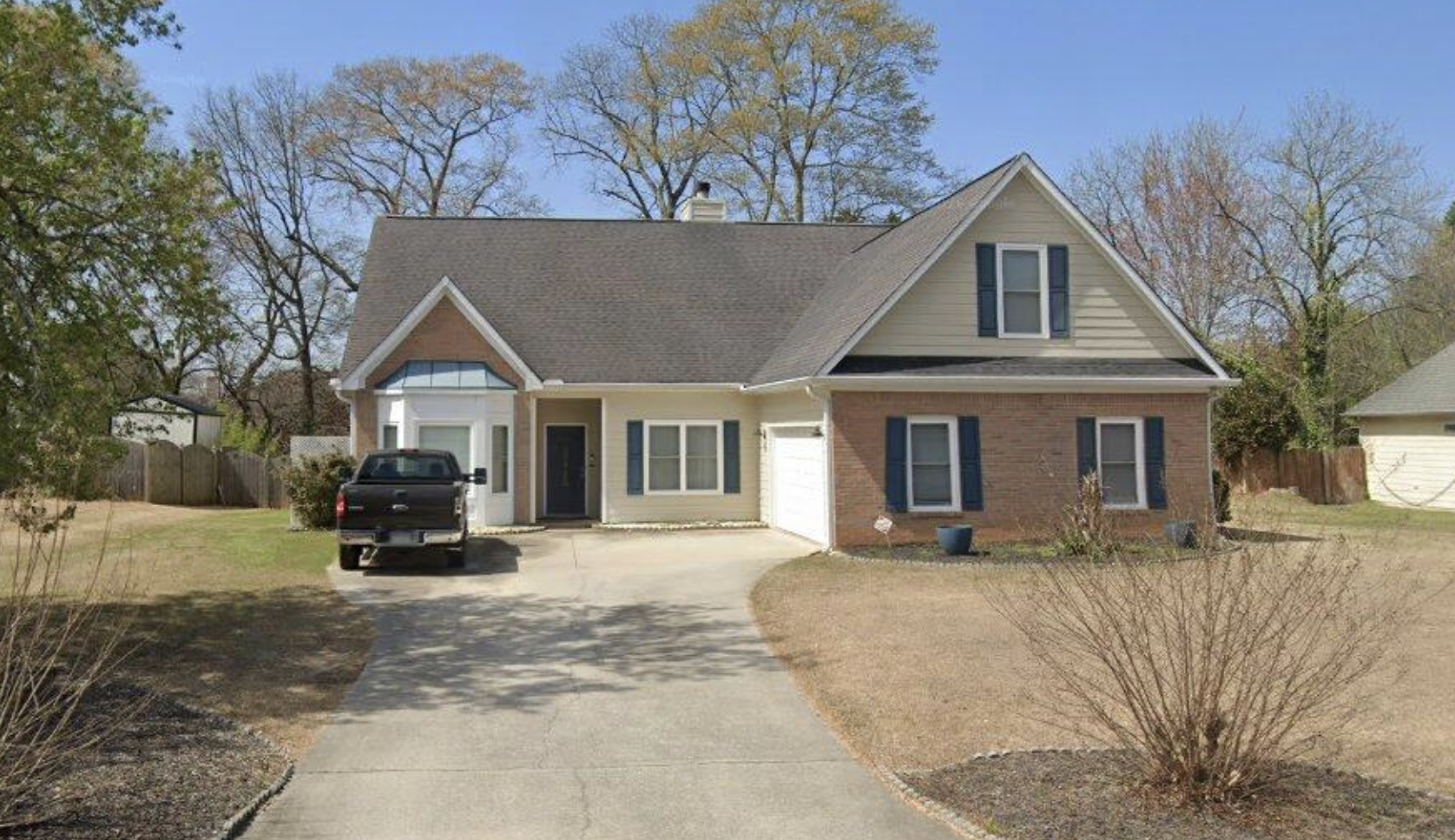
Single-family rental · Loganville, GA
$135,000
Loan amount
LTV
Rate*
The owner needed cash-out to fund the acquisition of another rental property. This deal funded in less than 2 weeks from start to finish.
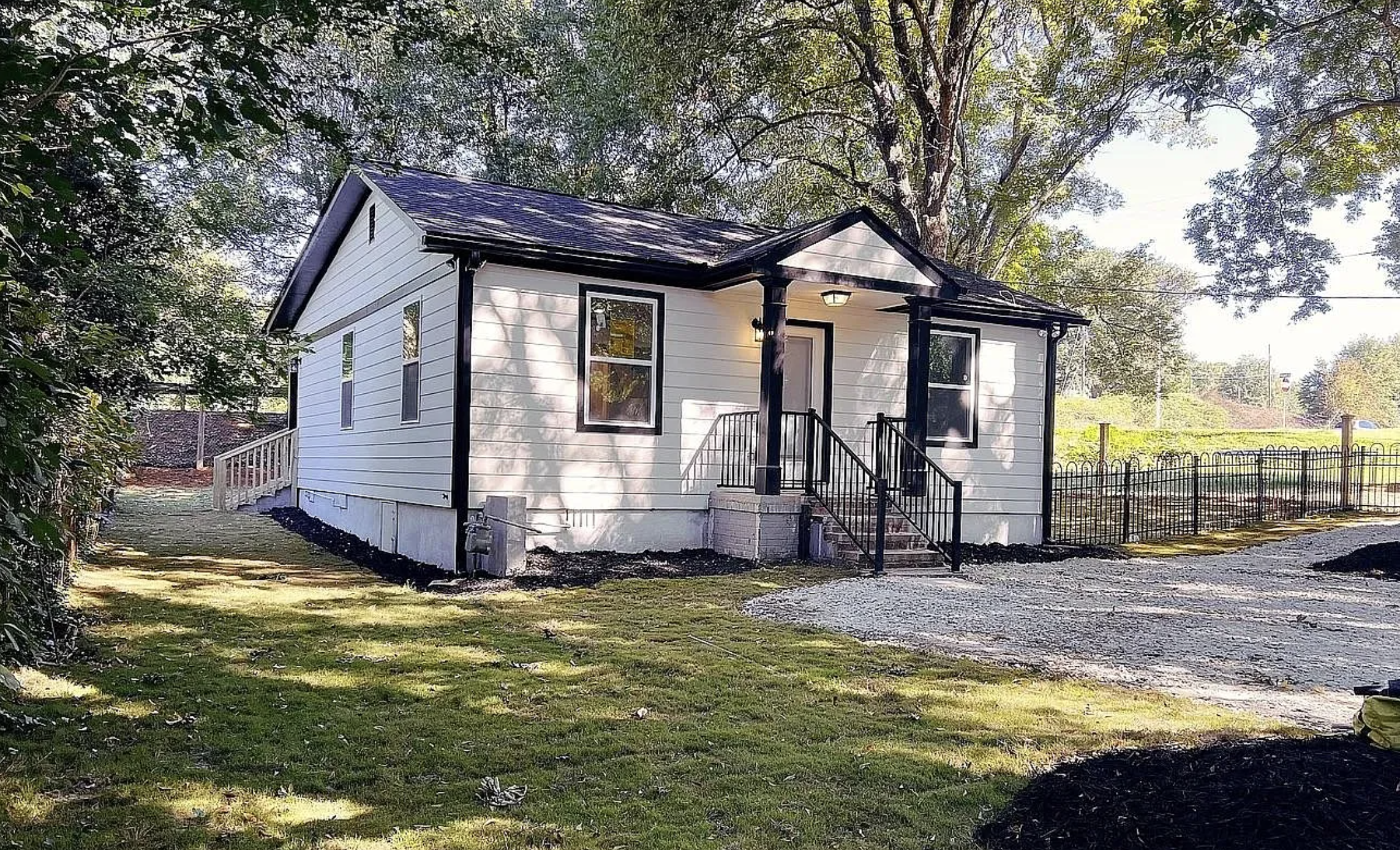
Single-family rental · Gainesville, GA
$50,000
Loan amount
LTV
Rate*
Bought and renovated with a hard money loan. After the work was finished, the borrower was able to pull out $50,000 cash-out to pay off unsecured debt he acquired during the rehab.
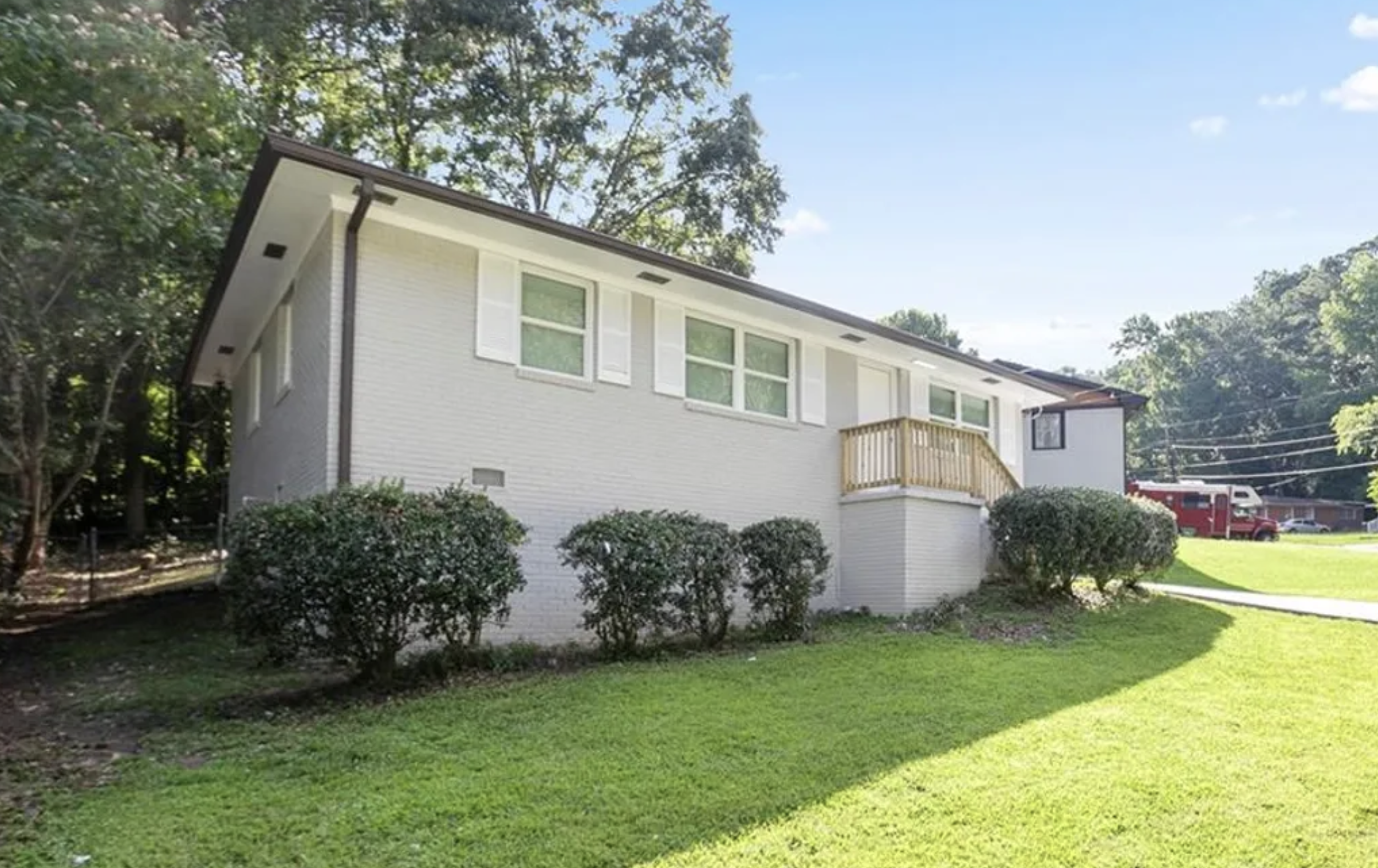
Single-family rental · Atlanta, GA
$30,000
Loan amount
LTV
DSCR
Property was purchased with a hard money loan but the rehab was self-funded. After sitting on the market for 6 months, the borrower decided to turn it into a rental property and pull some equity.
Representative examples of DSCR cash-out refinances arranged by Andes Mortgage, shared with client permission. Details are simplified for illustration; actual terms depend on the property, program, and borrower profile. Not a commitment to lend.
Exploring a rate-term refinance instead of cash-out?
Weighing cash-out against a rate-and-term refinance, or just getting oriented?
Start with our DSCR refinance overview page — it compares both paths and lays out seasoning by scenario.
Explore more topics and resources on DSCR loans
Full DSCR Refinance guide
Compare seasoning, credit, requirements.
DSCR HELOC
Tap the equity without refinancing
DSCR loan requirements
Credit, reserve, ratios
DSCR for Airbnb
Short-term rental income
DSCR loan in an LLC
Entity vesting explained
DSCR loan calculator
Do the numbers actually work?
DSCR cash-out FAQ
Frequently Asked Questions
How soon can I do a cash-out refinance after buying?
It depends entirely on the program. Some require no seasoning at all and will use the new appraised value immediately; many require six months of ownership. The more important line is twelve months — under that, most programs size the loan off your purchase price plus documented improvements rather than the new appraisal.
How much can I cash out on a DSCR refinance?
Generally up to 70–75% of value, less your existing loan payoff.
However, do keep in mind a separate cash-in-hand cap also applies and tightens as leverage rises — from effectively uncapped at low LTVs to a few hundred thousand above 65%. Though this won’t apply to most investors, for those with large loan amounts, it’s an important facet to note.
Does the rehab money I spent count toward value?
Under twelve months of ownership, yes — but only what you can document. Invoices, receipts, and contractor records confirmed by the appraiser are what turn your rehab spend into loan value, so keep them from day one.
Can I use the cash for anything I want?
No. DSCR cash-out is a business-purpose loan, so proceeds go toward investment or business use — buying another property, funding a rehab, or paying business debt — not personal expenses. You’ll certify the intended use.
Should I do a cash-out refinance or a DSCR HELOC?
If your current rate is at or above today’s market, cash-out is usually cheaper and gives the larger lump sum. If you’re holding a materially below-market first mortgage, a DSCR HELOC lets you reach the equity without giving up that rate.
Will pulling cash out hurt my DSCR?
Yes — a bigger loan means a bigger payment, and the ratio is tested on the new payment. That’s often the real ceiling on how much you can take. It isn’t automatically disqualifying, though: below 1.00 the file moves to a reduced-ratio or no-ratio program rather than being declined.
Run your numbers before you fall in love with the deal
See your DSCR and what you’d actually qualify for – free, no pesky sales.